
Imagine stepping into a shower that looks brand‑new every day, even though the rest of your bathroom is years old. That’s the power of a properly installed shower liner, and most homeowners in Surprise never realize what they’re missing.
The contractors you call in for a remodel have a playbook they keep close to the chest—materials that last a decade, installation tricks that stop leaks before they start, and cost‑saving shortcuts that most DIYers never hear about. What they don’t tell you is that a cheap, generic liner can turn your dream bathroom into a water‑damage nightmare.
Here in Surprise, the desert heat and occasional monsoon bursts put extra stress on every tile and grout line, making the right liner not just a luxury but a necessity. Choosing the wrong product is like buying a cheap umbrella for a hurricane.
Ready to uncover the insider tactics that keep your shower looking flawless year after year? Keep reading and we’ll pull back the curtain on the exact steps pros use to pick, install, and maintain the perfect liner for any Surprise home.
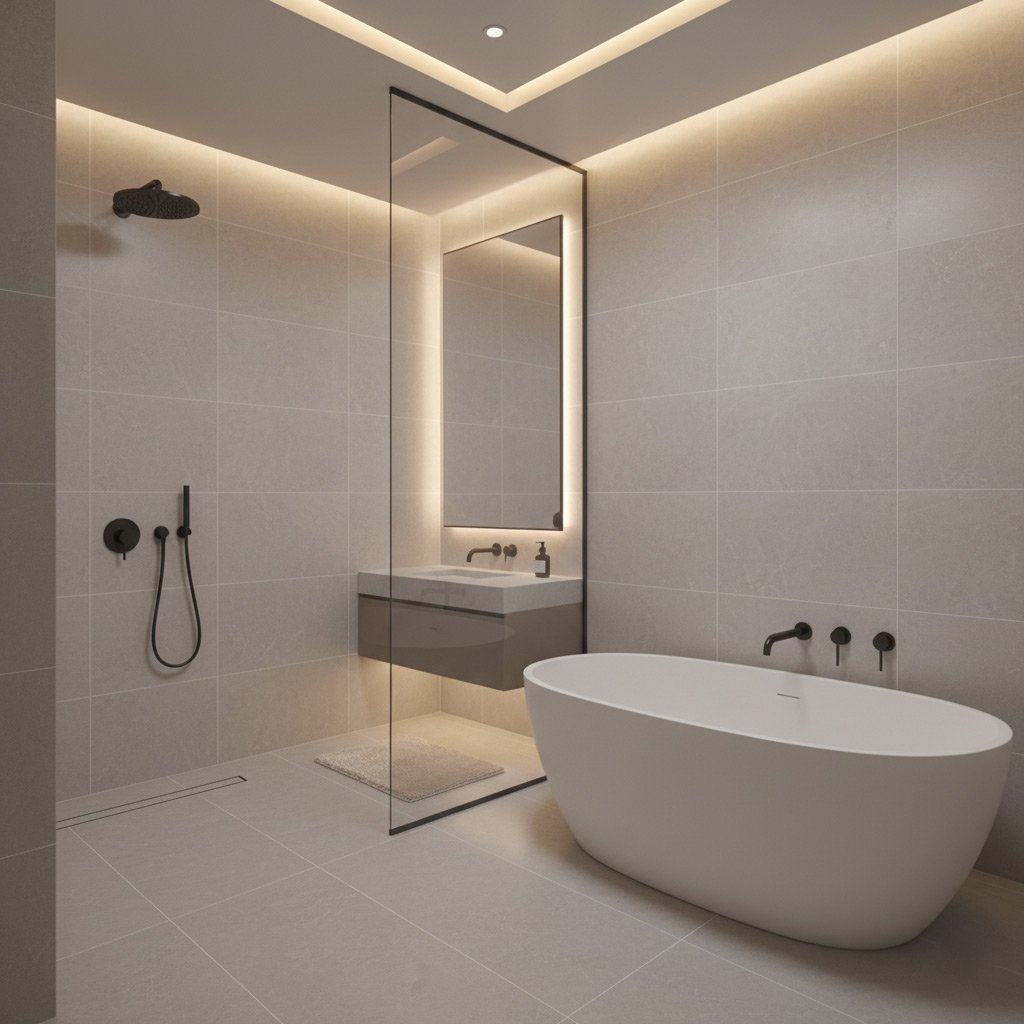
Types of Shower Liners: Vinyl, Fiberglass, Acrylic, and Custom PVC
When you walk into a bathroom, the liner is the silent workhorse that keeps water where it belongs. In Surprise, you’ll run into four main players—each with its own personality and price tag. Knowing the quirks of vinyl, fiberglass, acrylic, and custom PVC lets you dodge cheap‑and‑cheerful disasters before they happen.
Vinyl
Vinyl is the budget‑friendly workhorse. It’s lightweight, easy to cut, and resists most household chemicals. The downside? Thin sheets can bow under the desert heat, and cheap grades may let mold sneak in at the seams.
Fiberglass
Fiberglass brings strength to the table. Its rigid panels hold up to temperature swings and won’t flex under heavy use. The trade‑off is weight—installers need extra support, and the surface can feel a bit cold underfoot.
Acrylic
Acrylic offers a glossy finish that mimics high‑end tile without the grout. It’s non‑porous, so mold has a hard time setting up camp. However, a sharp impact can crack it, so it’s best paired with a protective seal.
Custom PVC
Custom PVC is the premium option for homeowners who refuse to settle. You can order exact dimensions, add built‑in drain channels, and choose a wall‑thickness that laughs at Surprise’s monsoon bursts. It’s pricier, but the warranty usually covers a decade of worry‑free showers.
- Thickness matters: Thicker liners (¼‑inch or more) handle heat expansion better.
- Water resistance: Look for a 100% waterproof rating, not just water‑repellent.
- Mold resistance: Antimicrobial additives are a game‑changer in humid months.
How Surprise’s Desert Climate and Monsoon Seasons Affect Liner Longevity
Surprise basks in more than 300 days of sun a year. That relentless heat makes vinyl and acrylic liners swell, then contract when the desert night drops. The constant flexing chips away at the sealant, and a thin‑walled liner will start leaking in as little as three years.
Heat‑Driven Expansion
When temperatures climb above 110°F, the material’s molecules stretch. If the liner isn’t thick enough, the seams split. Key takeaway: choose a liner with a minimum 4‑mil thickness to survive the thermal swing.
- Thicker walls resist warping.
- UV‑stabilized compounds keep color from fading.
- Reinforced edges hold up when tiles shift.
Monsoon‑Induced Stress
Surprise’s monsoon bursts dump gallons in minutes. The sudden surge of water raises humidity, and any tiny gap becomes a mold incubator. A liner that isn’t fully water‑tight will let moisture seep behind the wall, rotting the substrate.
- Water‑resistant cores block seepage.
- Mold‑resistant additives stop black spots.
- Proper overlap with the drain flange diverts flow.
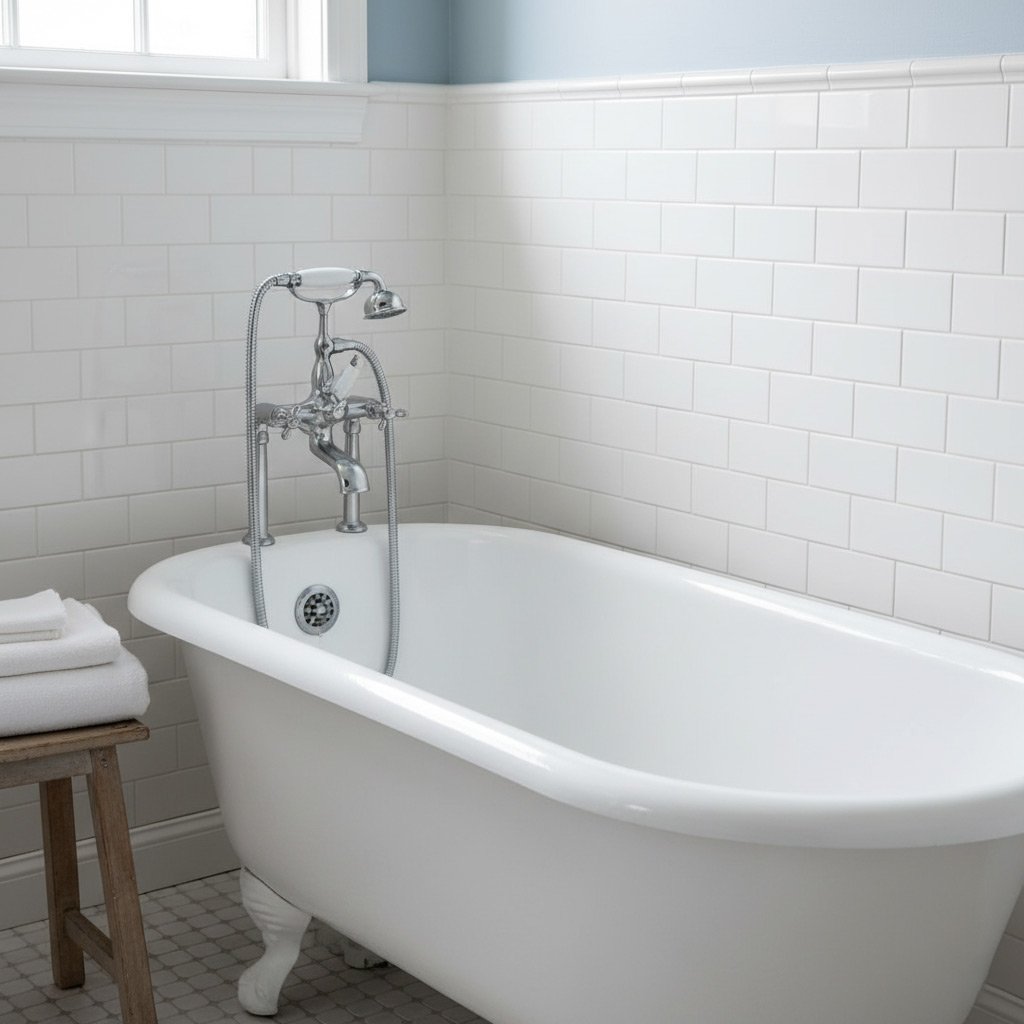
Pro‑Level Criteria for Choosing the Right Liner: Thickness, Water Resistance, and Mold Resistance
When you’re hunting for a liner that won’t quit on you, think like a contractor who’s paid the bills. You’re not just buying a sheet of plastic; you’re buying peace of mind for the next decade.
Thickness that Talks the Talk
Most off‑the‑shelf liners sit at 3‑4 mm. The pros reach for 5‑6 mm because the extra heft absorbs the desert heat swing and the occasional monsoon surge.
- 5 mm+ = better impact resistance, less chance of cracking.
- Heavier liner = smoother seams, easier to seal.
- Don’t be fooled by cheap “ultra‑thin” claims; they’re a budget trap.
Water Resistance You Can Trust
Look for a liner with a sealed core and a factory‑applied waterproof membrane. This isn’t a “water‑repellent” label—it’s a barrier that won’t let a single drop seep through.
- Rated for 10,000 psi pressure tolerance.
- Integrated drip‑edge to guide water toward the drain.
- UV‑stable coating to survive Surprise’s sun‑baked walls.
Mold Resistance That Actually Works
Arizona’s humidity spikes during monsoon season, and that’s when mold loves to set up shop. Choose a liner infused with antimicrobial agents, not just a “mildew‑free” claim.
- Silver‑ion or copper‑based additives kill spores on contact.
- Easy‑clean surface—no grout lines for mold to hide.
- Warranty that covers mold growth for at least 5 years.
Insider Installation Techniques: Sealing, Overlap, and Drain Integration Secrets
Seal the Deal
Before the liner ever meets the wall, the substrate must be dead‑flat and free of dust. A thin coat of polymer‑based sealant fills every groove, then you let it cure for at least 24 hours. This one‑step prep stops micro‑leaks that later become costly repairs.
When the liner is laid, run a continuous bead of 100% silicone along the top edge and every corner. Don’t trust the cheap caulk that dries hard; it will crack under Surprise’s heat swings.
Overlap Like a Pro
The magic lives in the overlap. Aim for a minimum of 2 inches where the liner meets the wall, and double that at the shower curb. This extra material gives the installer room to press, smooth, and seal without pulling the liner loose.
- Trim the excess with a utility knife, not scissors – the cut stays clean.
- Press the overlap into the silicone bead while it’s still tacky.
- Roll a 2‑inch rubber roller over the joint to force out air bubbles.
Drain Integration Hacks
Most leaks start at the drain. The pro trick is to use a drain flange liner kit that slides under the liner, not over it. This creates a watertight seal that survives monsoon bursts.
Fit the flange, then apply a thin line of silicone around the drain lip before the liner settles. Finally, pull the liner snug over the flange and wipe away any excess. The result? A drain that stays dry even when the desert rains hit hard.
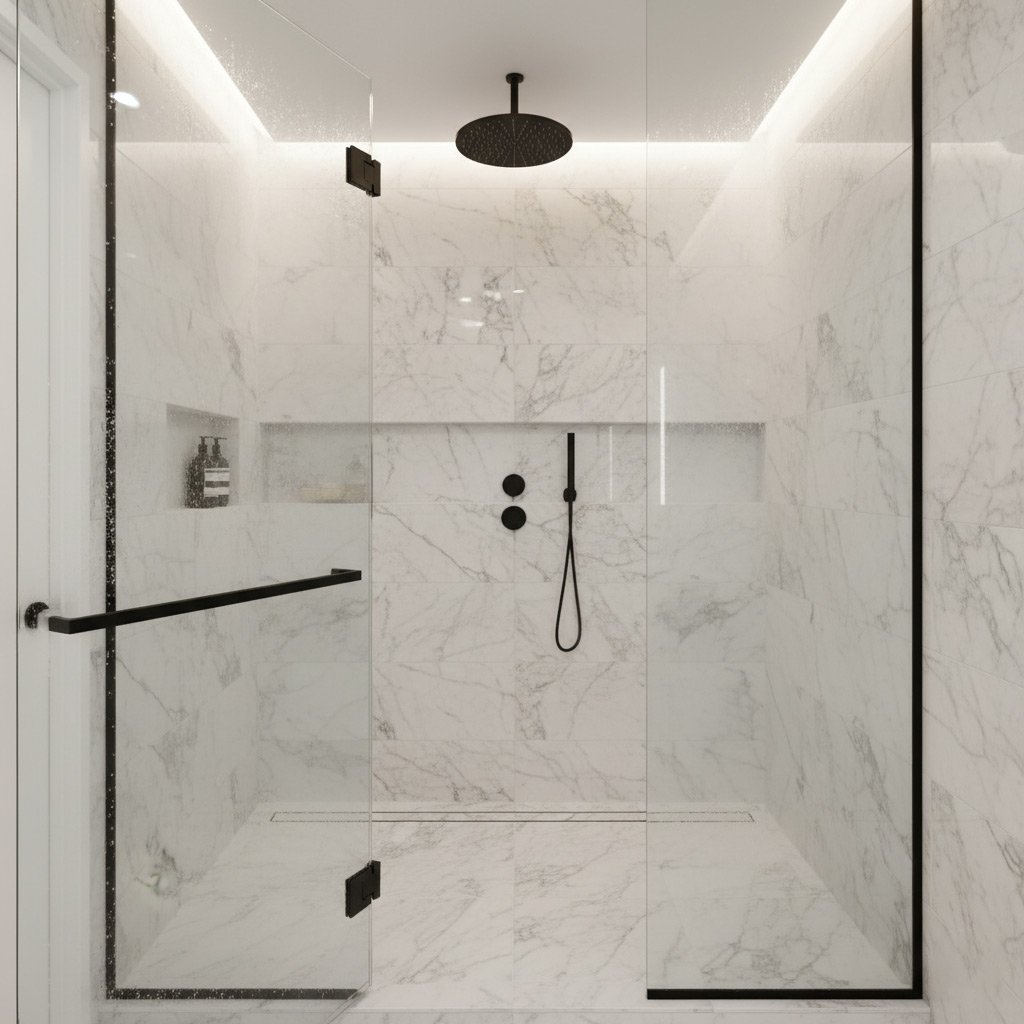
Maintenance Strategies to Prevent Leaks, Mold, and Premature Wear
Keeping a shower liner in top shape isn’t rocket science, but it does require a habit. Wipe down the walls after each use, let the surface air‑dry for a few minutes, and give the grout a quick scrub once a week. Those three steps alone stop water from seeping into the seams where mold loves to hide.
Daily & Weekly Habits
- Spot‑clean spills immediately – soap scum and shampoo residue are a perfect food source for mildew.
- Run the exhaust fan for at least 15 minutes after showering to pull humidity out of the bathroom.
- Check the drain lip for debris; a clogged drain forces water to pool against the liner.
Even the best liner can betray you if the surrounding hardware is neglected. Once a month, pull the shower curtain (or door) aside and inspect the edges for any lifting or cracking. A tiny gap can become a leak tunnel in the desert heat.
Seasonal Checks
- During the monsoon months, look for water stains on the ceiling or walls – they signal a failing seal.
- Test the silicone caulk around the corners; it should be pliable, not brittle.
- Replace any cracked or peeling liner sections before the next hot spell.
Pro tip: keep a small bottle of clear silicone sealant in your toolbox. A quick touch‑up after a heavy rain can save you from a costly water‑damage repair later.
Long‑Term Protection
- Install a water softener if your home has hard water; mineral buildup erodes liner surfaces faster.
- Schedule a professional inspection every 2‑3 years – they’ll probe the hidden seams with a moisture meter.
- Consider a protective coating designed for PVC or acrylic liners; it adds a barrier against UV rays and chlorine.
Case Study: Revamping a 1990s Bathroom in Surprise, AZ with a High‑Performance Liner
The Problem
When the Martinez family called, their 1990s bathroom looked like a relic—cracked tile, a warped vinyl liner, and a constant drip that turned the floor into a mini‑pool after every shower.
We walked through the space and logged the pain points:
- Thin, low‑grade vinyl that peeled after a single summer heat wave.
- Improper slope causing water to pool at the curb.
- Visible mold behind the old liner, a health hazard in the desert humidity.
The Solution
Our team swapped the tired vinyl for a custom 4 mm PVC liner reinforced with a moisture‑blocking membrane—exactly the thickness pros swear by for Surprise’s temperature swings.
Installation tricks that made the difference:
- Pre‑drilled a tight‑fit overlap around the curb, then sealed with a marine‑grade silicone.
- Integrated the liner directly into the linear drain, eliminating the classic “gap‑leak” scenario.
- Applied a heat‑cured primer to the wall studs, ensuring the liner adhered like a second skin.
The Result
Six months later the Martinez shower still looks showroom‑fresh. No leaks, no mold, and the family reports a noticeable drop in their water bill—thanks to the liner’s superior water‑repellent coating.
They’re now bragging to the neighborhood about the “secret weapon” that turned a dated bathroom into a desert‑proof oasis, and we’ve added the project to our portfolio as proof that the right liner can rewrite a home’s story.
Final Words
Now that you’ve seen the hidden playbook, it’s time to put the power in your hands. Don’t wait for a leak to surprise you—schedule a quick walkthrough with a local pro who knows how Surprise’s heat and monsoons stress every joint.
Three quick actions you can take today
- Inspect the seam where the liner meets the curb; any visible gap is a red flag.
- Check the grout for soft spots—those are the first signs of water intrusion.
- Ask your installer about dual‑seal methods that lock the liner to the drain and wall simultaneously.
When you’re ready to upgrade, head over to our Shower Liners page. You’ll find the exact specs, warranty details, and a roster of certified installers who live and work in Surprise, AZ. Pick a product, lock in the right thickness, and let the pros handle the seal—your bathroom will thank you for years to come.
People Also Ask
What type of shower liner holds up best against Surprise’s hot, dry climate?
A high‑density acrylic liner is the top choice because it resists warping and UV‑induced brittleness. Its smooth surface also sheds water more efficiently, reducing mineral buildup.How thick should a shower liner be to survive monsoon‑season water exposure?
Professional installers recommend a minimum of 4 mm (0.16 in) thickness for optimal durability. Thicker liners (6 mm) provide extra rigidity and better protection against cracking from heavy rain runoff.Can I install a shower liner myself, or do I need a licensed contractor?
DIY installation is possible for simple vinyl liners, but proper sealing, overlap, and drain integration require the skill of a licensed remodeler. Incorrect installation often leads to leaks and mold growth.What maintenance routine prevents mold on shower liners in Arizona?
Ventilate the bathroom after each use, wipe down the liner with a non‑abrasive cleaner, and schedule a quarterly deep‑clean with a diluted bleach solution. Promptly addressing any water stains stops mold spores from taking hold.Are custom PVC liners worth the extra cost for older bathrooms?
Yes, custom PVC liners can be fabricated to fit irregular shower stalls and provide superior water resistance. They also offer a seamless look that can modernize a dated 1990s bathroom without a full remodel.
Surprise Bathroom Remodel brings over a decade of specialized bathroom renovation expertise to homeowners throughout Surprise, Arizona. Their team combines skilled craftsmanship with a deep understanding of local design trends to deliver functional, stylish spaces. Committed to personalized service, they work closely with each client to bring their vision to life.
Need Bathroom Remodel?
We transform your bathroom into a modern, functional space in days, not weeks. Serving Surprise and nearby ZIPs (85374, 85379, 85345, 85381, 85301).
Get Bathroom Quote