Picture this: you slide into a walk‑in tub that feels like it was built just for you, and the whole bathroom looks like a showroom. The excitement of that first soak can turn sour fast if you skip the little details that separate a dream upgrade from a money‑draining nightmare.
Most homeowners in Surprise jump straight to the tub and forget about the plumbing layout, floor reinforcement, and the space you actually need to move around. One misstep and you’re staring at a flooded floor, a cracked wall, or a tub that barely fits the door.
Ready to sidestep the common traps and keep your budget intact? Keep reading and we’ll walk you through the exact steps that turn a walk‑in tub into a hassle‑free oasis.
Assessing Space and Structural Requirements for a Walk‑In Tub
First thing’s first: grab a tape measure and map out the exact footprint of the tub you’re eyeing. Don’t guess – note the length, width, and the height clearance needed for the door and the user’s head. A typical walk‑in tub needs at least 36‑inches of clearance on each side, plus room for a sturdy handrail.
Measure the footprint
- Mark the outer edges of the tub on the floor with painter’s tape.
- Check door swing and any nearby fixtures that could get in the way.
- Allow a minimum of 6‑inches of wiggle room for future cleaning tools.
Next, ask yourself: can the floor hold the weight? A filled walk‑in tub can weigh 1,200 lb or more. That’s a lot of pressure on a standard residential joist.
Check the load capacity
- Identify the joist spacing (usually 16 inches on center).
- Confirm the joist size and material – 2×10 lumber is common, but you may need reinforcement.
- Consider adding a plywood sub‑floor or steel brackets for extra support.
If you’re unsure, bring a structural engineer into the conversation before you cut any tile. A quick inspection now saves you from a cracked floor later, and keeps the project moving smoothly.
Choosing the Right Walk‑In Tub Model for Surprise’s Climate
Heat‑Resistant Materials Matter
Surprise’s scorching summers can warp cheap acrylic. Opt for a tub built with reinforced polymer or tempered glass that won’t crack under UV exposure. Durability pays off when the sun beats down year after year.
Energy‑Smart Features
Look for models with built‑in heaters and insulated walls. These keep water warm without guzzling electricity. Smart thermostats let you set the perfect temperature and lock it in.
- Thermal insulation rating of 0.5 W/m·K or lower
- Low‑flow jets that still deliver a strong massage
- Self‑cleaning surface coating to fight mold
Tailor the Tub to Your Lifestyle
Do you need a side‑entry for easy access, or a low‑step design for seniors? Consider a model with a built‑in seat and grab bars if safety is a priority. Choosing the right configuration now avoids costly retrofits later.
Understanding Local Building Codes and Permit Processes
Before you even think about the tub’s finish, you need to know what Surprise, AZ, expects from a walk‑in tub installation. Skipping the code check is a fast track to costly re‑work, and the city isn’t shy about issuing stop‑work orders. The good news? The rules are straightforward once you break them down.
Key Codes to Watch
- Structural integrity – floor joists must support the tub’s weight plus water.
- Safety rail requirements – grab bars need to meet specific height and load standards.
- Accessibility standards – ADA‑compliant clearances apply even in private homes.
- Water‑efficiency mandates – low‑flow fixtures are often required for new installations.
Knowing these points lets you talk the same language as the inspector and keeps the project moving.
Permit Process in Surprise
- Submit a detailed plan set to the Planning & Development Services Department.
- Expect a plan review within 7‑10 business days; be ready to answer questions.
- Schedule the required inspections – rough‑in, plumbing, and final.
- Pay the applicable fees; they’re usually a small percentage of the total job cost.
Once the paperwork is approved, you get the green light to start. Miss a step, and you’ll be paying for a permit delay instead of enjoying your new tub.
Proper Plumbing and Electrical Planning to Prevent Future Repairs
Map the Drainage Path Before You Cut Anything
Start by tracing the existing waste line from the tub to the main stack. Know exactly where the pipe turns and how far it runs. If the new walk‑in tub sits lower than the current drain, you’ll need a pump or a re‑slope, and that adds cost fast.
Grab a simple pen‑and‑paper sketch or use a free floor‑plan app. Mark:
- Current drain location
- Proposed tub footprint
- Any obstacles (studs, joists, HVAC)
Having this visual prevents surprise trips to the hardware store when you discover a hidden cross‑brace.
Electrical Safety Isn’t Optional
Walk‑in tubs often have built‑in heaters, jets, and lighting. All of those are high‑amperage loads that demand a dedicated 20‑amp circuit with GFCI protection. In Surprise’s hot climate, the extra heat can stress wiring if it’s not sized right.
Ask your electrician to:
- Run a separate conduit from the breaker box
- Install a waterproof junction box near the tub
- Label the circuit clearly for future homeowners
Skipping any of these steps can lead to tripping breakers or, worse, a fire hazard.
Plan for Future Maintenance
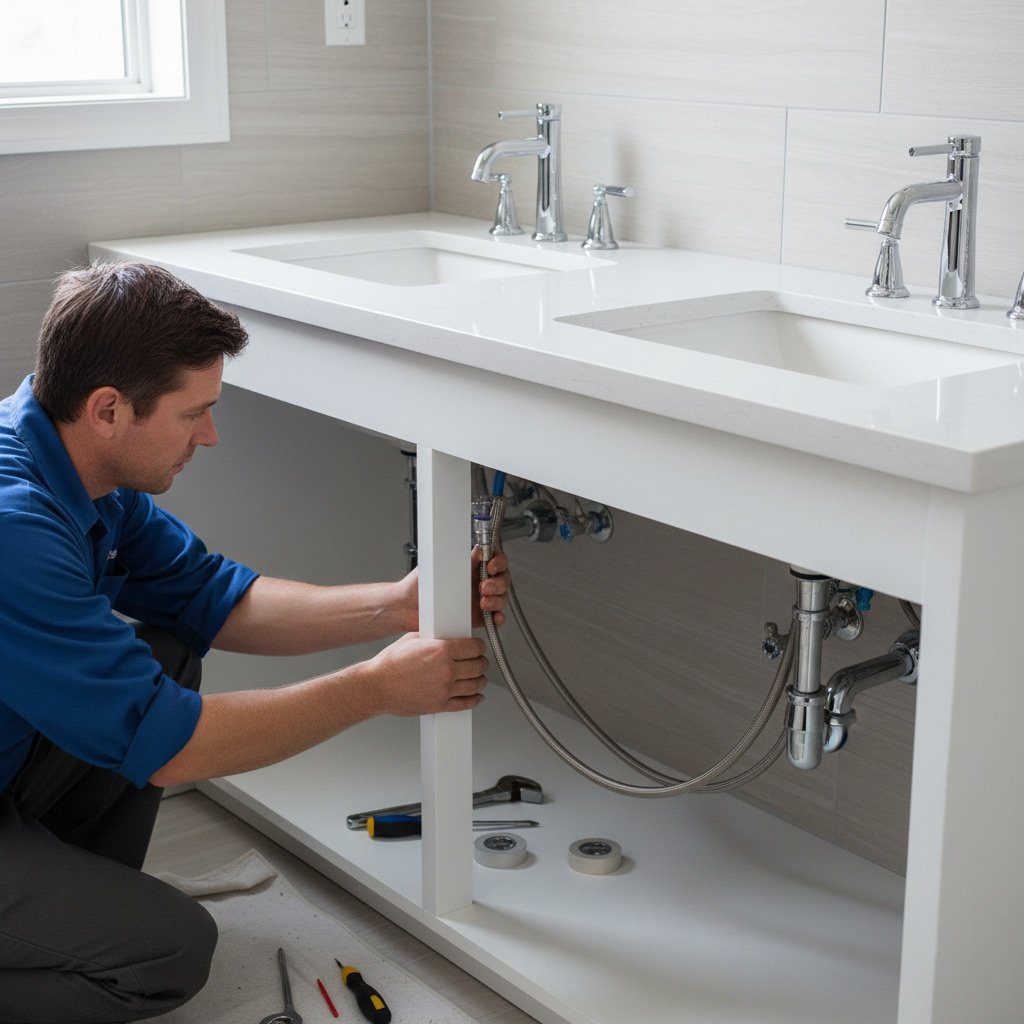
Leave enough clearance behind the tub for a service wrench and a quick visual check of the seals. Think ahead—a cramped space means a plumber will charge more to reach a leak.
Consider adding a clean‑out valve on the waste line. It’s a cheap addition now, but saves a ton of hassle when the tub’s jets need flushing.
Selecting Reliable Contractors and Avoiding Common Hiring Pitfalls
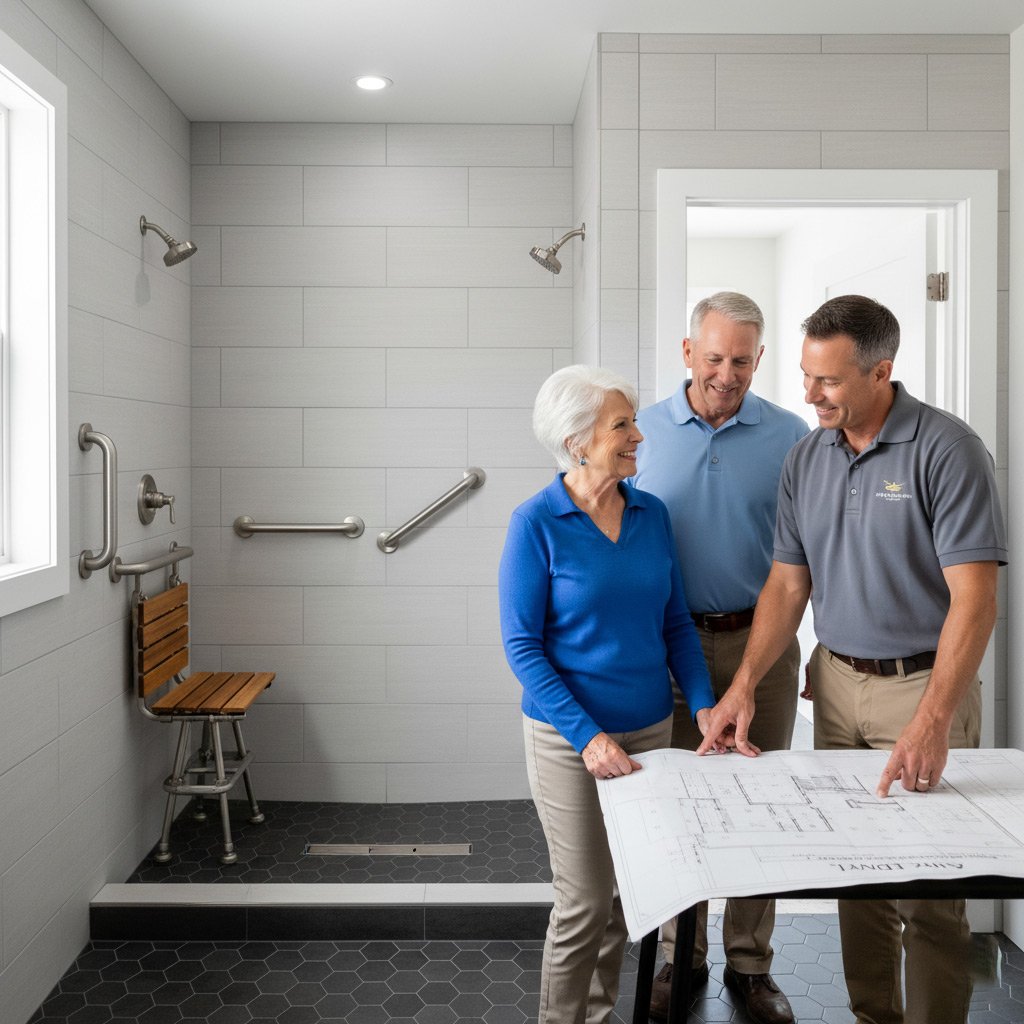
First thing’s first: demand proof of a valid Arizona contractor’s license and up‑to‑date insurance. Don’t settle for a verbal guarantee—ask for the paperwork and verify it on the state website. A quick call to past clients will reveal whether the crew shows up on time and cleans up after themselves.
Red flags you can’t ignore
- Unusually low bids that seem too good to be true—often a sign of shortcuts or hidden fees.
- Contractors who won’t provide a detailed, written estimate; vague numbers hide future surprises.
- Pressure to sign a contract on the spot; a reputable pro gives you time to review.
When the paperwork lands on your desk, read every line. Scope of work, payment milestones, and warranty terms should be crystal clear. Insist on a schedule that ties payments to completed phases—no cash up front, no “pay‑when‑finished” loopholes.
Case Study: Successful Walk‑In Tub Installation in a Surprise Home
Background
When the Martinez family decided to upgrade their master bathroom, they feared the project would turn into a nightmare. Their 1,200‑sq‑ft home in Surprise had limited floor space and an older plumbing system that needed a careful audit.
They turned to a local specialist who promised a *turnkey* solution—meaning the tub, the wiring, and the finish would all line up without surprise costs.
Implementation
The contractor followed a three‑step plan that kept the timeline tight and the budget transparent:
- Space verification: Measured the existing layout and confirmed the floor could support the tub’s weight.
- Structural prep: Reinforced the joists and installed a waterproof membrane to protect against leaks.
- Plumbing & electrical sync: Ran new PEX lines and a dedicated GFCI circuit, then tested for pressure and voltage stability.
Each phase was documented with photos and a brief report, so the Martinez family always knew what was happening.
Results
Within four weeks, the walk‑in tub was fully operational, and the family reported immediate comfort gains. Daily bathing time dropped by 15 minutes, and the tub’s hydro‑massage feature reduced the need for separate therapy sessions.
Because the contractor adhered to local codes and secured the proper permits upfront, the homeowners avoided any post‑install headaches—no re‑work, no fines, just a sleek, safe bathroom that adds resale value.
Final Thoughts and Key Takeaways
When you’re ready to add a walk‑in tub in Surprise, the smartest move is to treat the project like a business deal—not a DIY hobby. Measure twice, plan three times, and lock in the right pros before the first pipe is cut. The climate here can be unforgiving, so a tub that handles heat and humidity will save you headaches later.
What you must remember
- Space matters. A cramped bathroom will force you into costly re‑layout work.
- Local codes are non‑negotiable. Skipping permits can lead to fines or a forced teardown.
- Hire contractors who show proof of Arizona‑licensed plumbing and electrical work. That’s your safety net.
- Plan for future maintenance by installing easy‑access panels and a reliable drainage system.
- Use a reputable Walk In Tubs supplier who offers a solid warranty and local support.
Bottom line: a walk‑in tub can boost comfort and home value, but only if you avoid shortcuts. Keep the checklist tight, verify every credential, and treat each step like a contract. That’s how you turn a potential money pit into a lasting upgrade.
People Also Ask
What size walk‑in tub fits typical bathrooms in Surprise, AZ?
Most standard walk‑in tubs range from 48 to 60 inches in length and 30 to 36 inches in width. Measure your bathroom’s floor space and allow at least 24 inches of clearance around the tub for safe entry and exit.
Do I need a permit to install a walk‑in tub in Surprise?
Yes, Surprise requires a building permit for any major plumbing or structural changes, including walk‑in tub installations. Submit detailed plans to the City of Surprise Development Services Department before work begins.
How does the desert climate affect walk‑in tub selection?
High temperatures can cause water to evaporate faster, so choose a tub with excellent insulation and a built‑in heater. Look for models rated for energy efficiency to keep operating costs low.
What plumbing upgrades are necessary for a walk‑in tub?
Most walk‑in tubs need a dedicated hot water line, a pressure‑balanced valve, and a proper drain slope. Upgrading to copper or PEX piping can prevent leaks and accommodate the tub’s higher water flow.
How can I avoid hiring an unreliable contractor for my walk‑in tub project?
Verify the contractor’s license, insurance, and references, and request a written estimate that includes a timeline and warranty. Avoid contractors who demand full payment upfront or lack clear communication.

Surprise Bathroom Remodel brings over a decade of specialized bathroom renovation expertise to homeowners throughout Surprise, Arizona. Their team combines skilled craftsmanship with a deep understanding of local design trends to deliver functional, stylish spaces. Committed to personalized service, they work closely with each client to ensure every remodel reflects the unique character of the community.
Need Bathroom Remodel?
We transform your bathroom into a modern, functional space in days, not weeks. Serving Surprise and nearby ZIPs (85374, 85379, 85345, 85381, 85301).
Get Bathroom Quote